

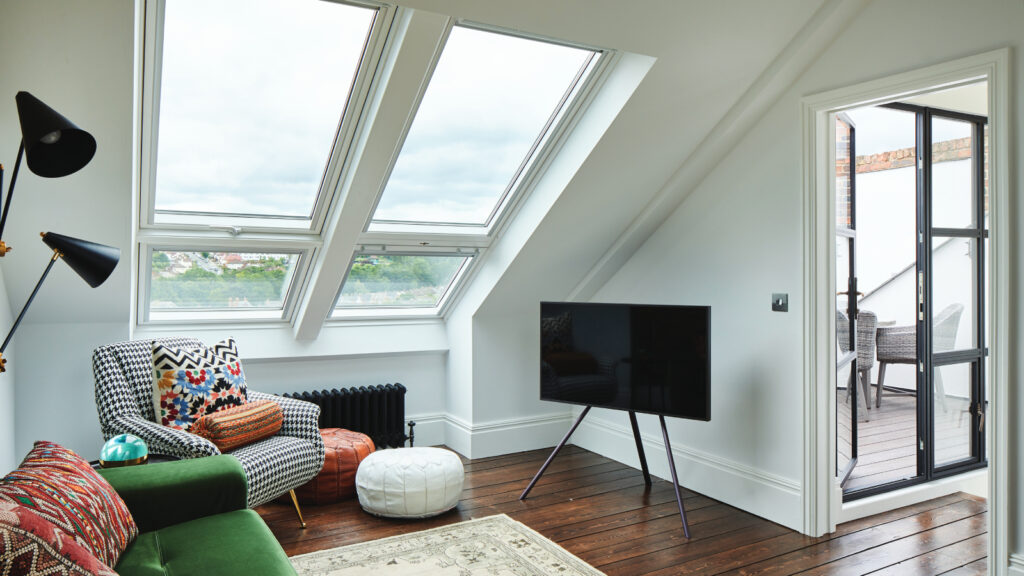
If you’re thinking about transforming your unused attic into a beautiful new living space, you may have come across the term “10-year rule for loft conversion.” But what does it actually mean, and how does it affect your project? Understanding this rule could save you time, stress, and money—especially if your loft conversion was carried out without formal planning permission.
In this onsite guide, we break down the 10-year rule, explain how it applies to loft conversions in the UK, and show you how it can work in your favour.
Understanding the 10-Year Rule in Planning Law
The 10-year rule is part of UK planning legislation and relates to planning enforcement immunity. In simple terms, if a development—such as a loft conversion—was completed more than 10 years ago without planning permission, and no enforcement action was taken by the local authority during that time, the development may become lawful.
This rule is often used by homeowners who discover that a previous owner carried out a loft conversion without approval. After 10 years, the council generally loses the right to take enforcement action, provided certain conditions are met.
Key takeaway: The 10-year rule does not grant planning permission—it recognises long-standing use as lawful.
Does the 10-Year Rule Apply to All Loft Conversions?
Not every loft conversion automatically qualifies. To rely on the 10-year rule, your loft conversion must meet the following criteria:
- The conversion must have been substantially completed for at least 10 continuous years
- It must not have been concealed or misrepresented
- The use must be consistent (e.g., used as a bedroom or living space throughout)
- No enforcement notices were issued during the 10-year period
If these conditions are satisfied, you can apply for a Lawful Development Certificate (LDC) from your local council. This certificate is crucial if you plan to sell your home, remortgage, or carry out further renovations.
Planning Permission vs Building Regulations
It’s important to note that the 10-year rule only applies to planning permission, not building regulations approval.
Even if your loft conversion is immune from planning enforcement:
- It may still fail building regulations
- Structural safety, fire safety, insulation, and stair access must comply
This is especially important for buyers and lenders, who often request proof that the loft conversion meets current safety standards.
Permitted Development and Loft Conversions
Many loft conversions fall under permitted development rights, meaning planning permission was never required in the first place. Typically, this applies if:
- The volume increase is within limits (40–50 cubic metres)
- The roof height is not raised
- Materials match the existing property
- No balconies or front-facing dormers are added
However, if permitted development rights were restricted or exceeded, the 10-year rule could still be relevant.
Why the 10-Year Rule Matters to Homeowners
Understanding the 10-year rule for loft conversions can be a game-changer. It can:
- Protect you from enforcement action
- Increase property value
- Smooth the selling process
- Provide legal clarity and peace of mind
Without an LDC, buyers may hesitate, surveyors may flag issues, and lenders could refuse mortgages. Applying for certification once the 10-year threshold is met helps avoid these problems.
Thinking About a New Loft Conversion?
If you’re planning a new loft conversion, don’t rely on the 10-year rule as a strategy. The safest and most valuable approach is to:
- Confirm whether planning permission is required
- Ensure full compliance with building regulations
- Work with experienced loft conversion specialists
Doing it right from the start maximises your return on investment and avoids legal complications down the line.
Final Thoughts
The 10-year rule for loft conversions offers a valuable solution for homeowners dealing with historic planning issues—but it’s not a shortcut for new projects. Whether you’re legalising an existing conversion or planning a new one, expert advice can make all the difference.