
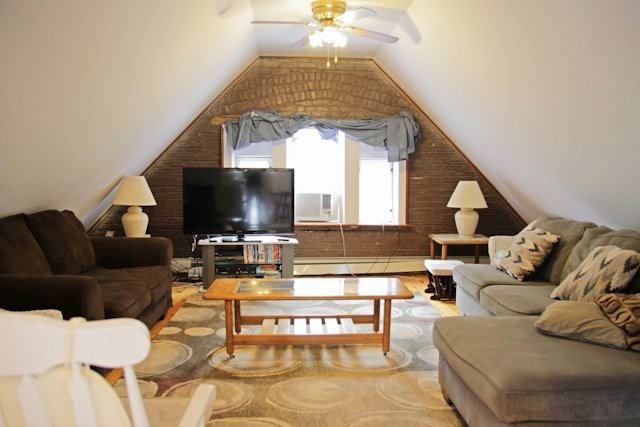
A loft conversion is one of the most effective ways to unlock extra living space in your home without extending outward. But before you start planning your dream bedroom, office, or en-suite retreat in the roof space, understanding fire regulations for loft conversions (UK Building Regulations Part B) is absolutely essential.
Not only is compliance a legal requirement, but it also ensures your home is safe, insurable, and fully approved for use as habitable space. Getting it right from the start saves you stress, delays, and costly redesigns later.
Why Fire Safety Matters in Loft Conversions
When you convert a loft, you’re essentially creating a new floor in your home—often directly above existing bedrooms and living areas. This increases fire risk due to escape distance, smoke travel, and structural exposure.
That’s why fire safety in loft conversions is strictly regulated under Building Regulations Approved Document B (Fire Safety). These rules are designed to ensure occupants have safe escape routes and enough protection time in the event of a fire.
Read More: 2 bed loft conversion
Key Fire Regulations for Loft Conversions (UK)
1. Fire-Resistant Doors (FD30 Rated Doors)
All doors leading from habitable rooms onto the stairway are typically required to be FD30 fire doors, meaning they can resist fire for at least 30 minutes. This helps contain fire and smoke long enough for safe evacuation.
2. Protected Staircase Route
A continuous protected escape route must be created from the loft down to an external exit door. This often involves upgrading doors, walls, and sometimes ceilings to fire-resistant construction.
3. Escape Windows (Where Applicable)
In some loft designs—especially where a full protected stairway isn’t possible—fire escape windows may be required. These must meet specific size and accessibility standards to allow safe emergency exit.
4. Interlinked Smoke Alarms
A compliant loft conversion must include mains-powered, interlinked smoke alarms installed on every floor. If one alarm detects smoke, all alarms sound simultaneously, giving early warning throughout the home.
5. Fire-Resistant Structure (Walls & Floors)
The new loft floor and surrounding walls must provide adequate fire resistance (typically 30 minutes minimum) to slow the spread of flames and protect escape routes.
6. Loft Conversion Fire Separation
Proper fire separation between the loft and the rest of the house is critical. This includes fire-rated plasterboard, sealed gaps, and protected structural elements.
Why Compliance Is So Important
Meeting loft conversion fire regulations isn’t just about passing building control—it’s about protecting your family, improving property value, and ensuring insurance validity. Non-compliant conversions can lead to enforcement issues, expensive modifications, or even removal orders.
Working with experienced specialists ensures your project is designed with compliance built in from day one, avoiding surprises later in the build process.
Professional Loft Conversion Support
A professionally designed loft conversion takes into account every aspect of fire safety, structural integrity, insulation, and ventilation. With expert planning, your new space becomes not only beautiful but fully compliant and future-proof.
To explore expert loft conversion services and guidance on fire regulations and building compliance, visit:
The Loft Conversions