
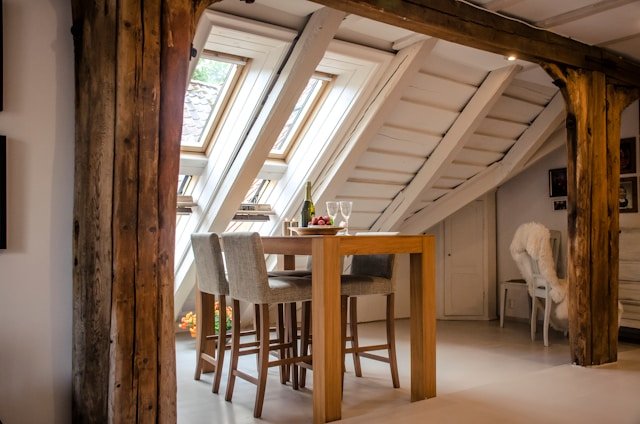
Transforming a loft with a 1.8m height may seem challenging at first, but with the right design approach, it can still become a stylish and highly functional living space. Many homeowners assume a low loft automatically rules out a conversion, yet modern architectural solutions and clever planning techniques make it possible to create beautiful loft rooms even in homes with restricted roof height.
Whether you want an extra bedroom, a compact home office, or a cosy guest suite, understanding the minimum loft conversion height rules is the first step toward a successful project. In this guide, we’ll explain the regulations, exceptions, and practical ways to maximise space while improving your property value and living comfort.
Understanding Loft Conversion Height Requirements
One of the most common questions homeowners ask is: “Can I convert my loft with only 1.8m height?” The answer depends on several factors, including roof structure, floor thickness, and local building regulations.
In most cases, the recommended minimum height for a comfortable loft conversion is around 2.2m measured from the top of the ceiling joists to the underside of the ridge beam. However, a loft with 1.8m height may still be suitable for certain types of conversions if creative design solutions are used.
Low-height loft conversions are particularly common in older terraced homes, cottages, and bungalows. While the available standing room may be limited, experienced loft conversion specialists can often redesign the space to improve usability and headroom.
Why Loft Height Matters
Loft height directly affects:
- Comfort and movement
- Staircase design
- Natural light opportunities
- Storage potential
- Building regulation approval
- Property resale value
A well-planned low loft conversion can still deliver excellent functionality while making your home more spacious and attractive.
Loft Height Rules and Building Regulations
Before starting any loft project, it’s essential to understand the relevant building regulations for loft conversions. These rules are designed to ensure safety, structural stability, and comfortable living conditions.
Minimum Height Recommendations
Although there is no absolute legal minimum ceiling height for every loft conversion, building professionals generally recommend:
- 2.2m height before conversion work begins
- At least 2m clearance over staircases where possible
- Adequate headroom for safe movement within habitable areas
If your loft currently measures only 1.8m, adjustments may be required to achieve compliance.
Key Building Regulation Considerations
Structural Safety
The existing floor joists in many homes are not strong enough to support a habitable room. Reinforcement may be necessary during the conversion process.
Fire Safety
Loft conversions must include:
- Safe escape routes
- Fire-resistant doors
- Smoke alarms
- Proper insulation materials
Staircase Regulations
The staircase must provide safe and practical access to the loft. Compact staircase designs are sometimes used in low-height loft conversions to save space.
Insulation and Ventilation
Proper thermal insulation and airflow are essential to prevent condensation and maintain energy efficiency.
Exceptions to Loft Height Rules
While standard guidelines recommend greater headroom, there are several exceptions where a loft conversion with 1.8m height may still work successfully.
Non-Habitable Loft Rooms
If the loft is intended for:
- Storage
- Occasional use
- Hobby rooms
- Home offices with limited occupancy
the height requirements may be more flexible.
Dormer Loft Conversions
Adding a rear dormer extension can significantly improve usable floor space and standing height. Dormers are one of the most effective solutions for low lofts because they extend vertically from the roof slope.
Lowering Ceilings Below
In some properties, it’s possible to lower the ceilings of the floor beneath to gain extra loft height above. While this can involve additional construction costs, it may make a previously unusable loft conversion viable.
Raising the Roof
For severe height restrictions, homeowners sometimes choose a roof raise or structural roof alteration. This solution is more extensive but can completely transform a cramped loft into a spacious living area.
Practical Tips to Maximise Loft Headroom
Even with limited height, smart design choices can dramatically improve the feeling of space and comfort.
Choose Space-Saving Furniture
Built-in furniture works particularly well in low lofts. Consider:
- Fitted wardrobes
- Under-eaves storage
- Low-profile beds
- Wall-mounted desks
Custom-made furniture helps maximise every inch of available space.
Use Roof Windows for Natural Light
Velux windows and skylights allow sunlight to flood the loft, making the room feel larger, brighter, and more open.
Opt for Light Colours
Soft neutral tones and reflective surfaces create the illusion of height and openness.
Install Clever Storage Solutions
Awkward corners beneath sloping ceilings can become practical storage areas rather than wasted space.
Consider Open-Plan Layouts
Reducing unnecessary partition walls can make a low loft feel significantly more spacious.
Best Loft Conversion Types for Low Roof Heights
Some loft conversion styles are more suitable for homes with restricted loft space.
Velux Loft Conversion
This is one of the most cost-effective options because it works within the existing roof structure.
Dormer Loft Conversion
Dormers add valuable headroom and floor space, making them ideal for low lofts.
Hip-to-Gable Conversion
Suitable for semi-detached or detached homes, this design extends the sloping side roof to create additional internal volume.
Benefits of a Low Loft Conversion
Even with a 1.8m loft height, a conversion can still provide substantial advantages.
Increased Property Value
A professionally designed loft conversion london can enhance market appeal and potentially increase property value.
Extra Living Space
Create:
- Guest bedrooms
- Home offices
- Children’s playrooms
- Creative studios
without sacrificing garden space.
Improved Energy Efficiency
Modern insulation installed during the conversion can help reduce heat loss and lower energy bills.
Minimum Loft Conversion Height Rules – FAQs
Can you convert a loft with 1.8m height?
Yes, in some cases. A loft with 1.8m height may still be converted using smart architectural solutions such as dormers, lowered ceilings, or roof alterations.
What is the minimum height for a loft conversion?
Most professionals recommend at least 2.2m before conversion, although every property is different.
Will building regulations allow a low loft conversion?
Approval depends on design, staircase safety, fire regulations, and usability of the space.
What is the best loft conversion for low ceilings?
Dormer loft conversions are often the best option because they increase headroom and usable floor space.
Is a loft conversion worth it with low height?
Yes. Even compact loft conversions can add practical living space and improve property value when designed correctly.
Final Thoughts
A 1.8m loft height does not automatically mean your loft conversion dreams are impossible. With expert planning, creative layouts, and the right structural solutions, even low lofts can become functional and visually stunning spaces.
By understanding loft conversion height regulations, exploring available exceptions, and using practical design strategies, homeowners can unlock the full potential of their property while adding comfort, value, and style.