
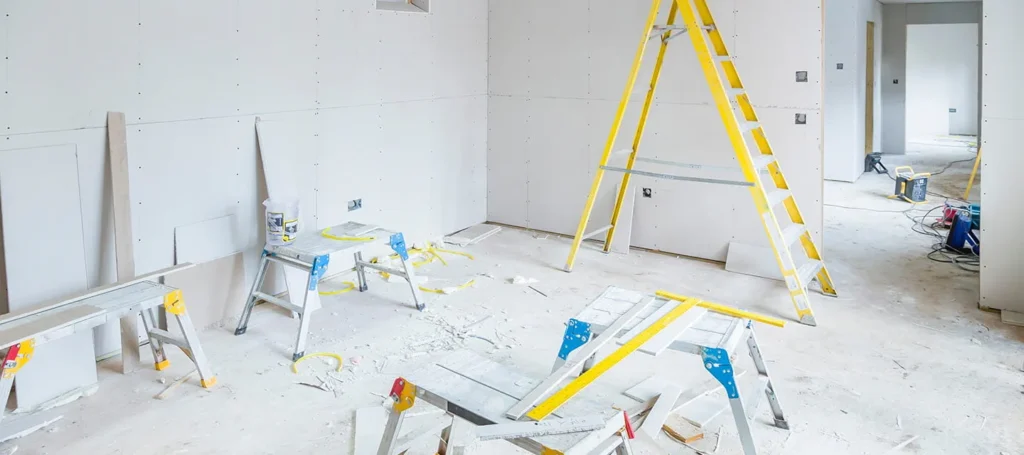
With property prices remaining high across the UK, many homeowners are choosing to renovate instead of relocate. From loft conversions in London to kitchen extensions in Manchester and full-scale refurbishments in period properties, home improvements are booming. But one crucial detail often gets overlooked: how remodeling affects your homeowners insurance.
Many people assume their existing buildings and contents insurance will automatically cover renovation work. Unfortunately, that’s not always the case — and failing to inform your insurer could invalidate your policy altogether.
Do You Need to Inform Your Insurer Before Renovating?
In the UK, most insurers require you to notify them before starting any significant building work. “Significant” typically includes structural changes such as extensions, removing load-bearing walls, roof alterations, loft conversions, rewiring, replumbing, or major internal reconfigurations.
Even if the work seems straightforward, insurers classify structural alterations as a material change to the property. If you don’t inform them and later need to make a claim — even for something unrelated like a burglary — your claim could be reduced or refused.
Minor cosmetic upgrades, such as painting, replacing kitchen units, or installing new flooring, usually do not require notification. However, when in doubt, always check your policy wording or contact your insurer directly.
What Risks Increase During Renovations?
Renovation projects significantly increase risk levels in a property. Insurers are particularly concerned about:
- Fire hazards from electrical work or hot tools
- Water damage from plumbing alterations
- Theft of building materials or contractor tools
- Accidental structural damage
- Properties left unoccupied during works
- Injury to contractors or third parties
An active building site carries very different risks compared to a standard occupied home. Because of this, insurers may adjust your premium, apply exclusions, or require additional cover during the project.
Does Standard Home Insurance Cover Renovations?
For small-scale updates, your existing policy may remain valid. However, for larger projects, standard home insurance may not provide adequate protection.
Depending on the scope and value of the work, your insurer might:
- Increase your premium temporarily
- Add specific exclusions
- Request details of contractors and timelines
- Require specialist renovation or building works insurance
Some insurers have a financial threshold — for example, works exceeding £25,000 or £50,000 — after which specialist cover becomes necessary. Always confirm in writing what is and isn’t covered.
What Is Renovation or Building Works Insurance?
Renovation insurance is designed specifically for properties undergoing significant alterations. It typically covers the existing structure, the new works in progress, building materials on-site, and public liability risks.
This type of policy is especially important for:
- Extensive structural refurbishments
- Listed or heritage buildings
- Period properties
- Vacant homes during renovation
- High-value projects
Without specialist cover, you may find that damage to partially completed works isn’t insured under a standard buildings policy.
Contractor Insurance and Liability
Hiring properly insured contractors is essential. Reputable builders in the UK should carry:
- Public liability insurance
- Employers’ liability insurance
- Contract works insurance
Public liability covers damage or injury caused to third parties. Employers’ liability is legally required if they have staff. Contract works insurance protects the building project itself while it’s underway.
However, contractor insurance does not replace your own responsibility as the homeowner. You must still ensure your property remains adequately insured throughout the project.
Don’t Forget to Update Your Rebuild Value
Once renovations are complete, your property’s rebuild cost will likely increase — especially after adding extensions or structural improvements. Failing to update your sum insured could leave you underinsured, meaning any future claim payout may not fully cover reconstruction costs.
It’s wise to review your policy as soon as the work is finished and adjust your coverage accordingly.
Final Thoughts
Renovating your home is an exciting investment, but overlooking your insurance could turn it into a costly mistake. Always notify your insurer before starting major works, confirm coverage in writing, and ensure both you and your contractors are properly protected.
A simple phone call before the builders arrive could save you thousands of pounds in the long run — and give you peace of mind while transforming your home.