
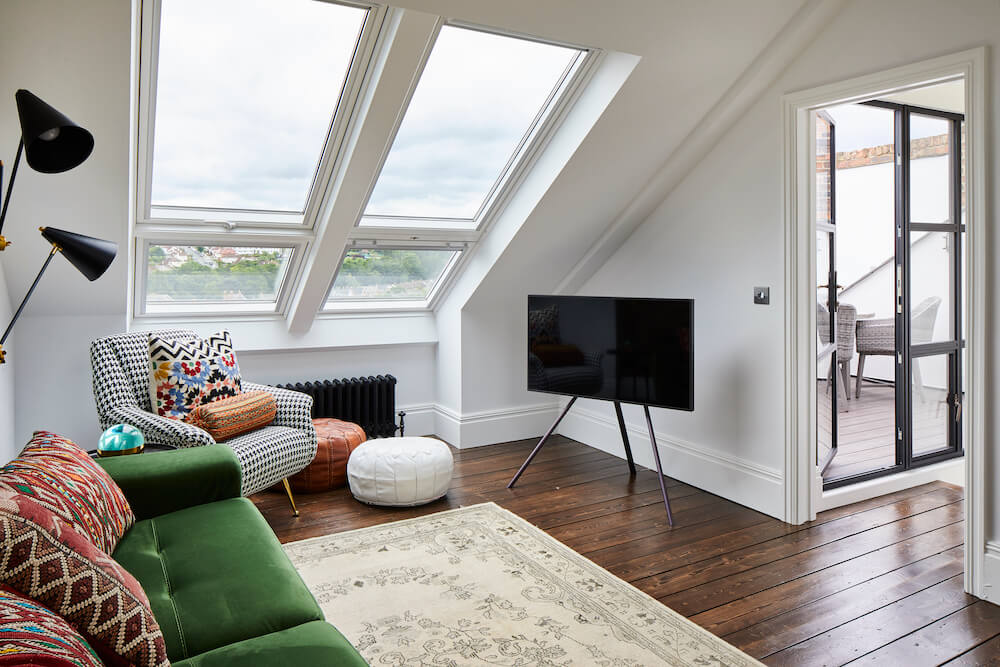
A 3 bed semi loft conversion is one of the most cost-effective ways to add space, value, and flexibility to a property. Whether you’re a homeowner looking to create a master suite or a landlord aiming to boost rental yield, well-planned loft conversion designs can transform a standard three-bed semi-detached house into a four-bed family home or investment asset.
This guide explains loft conversion plans, planning rules, design options, costs, and common mistakes — based on real-world property experience and current UK regulations.
Why Loft Conversions Work So Well for 3 Bed Semis
Most 3-bed semi-detached houses were built with generous roof space, making them ideal candidates for conversion. Unlike extensions, loft conversions usually:
- Don’t reduce garden space
- Are faster to complete
- Add up to 20–25% property value
- Improve energy efficiency when insulated correctly
From experience, semis offer better structural balance and easier access for stairs compared to terraced homes.
Common 3 Bed Semi Loft Conversion Plans
Your loft conversion plan will depend on roof shape, head height, and budget. Popular layouts include:
1. Rear Dormer Loft Conversion
The most common option for 3-bed semis.
Best for:
- Adding a double bedroom and en-suite
- Maximising usable floor space
Key features:
- Flat-roof dormer to the rear
- Full-height walls
- Straight or dog-leg staircase
2. Hip-to-Gable Conversion
Ideal where the semi has a sloping “hip” roof.
Best for:
- Creating a large master bedroom
- Family homes needing long-term space
Key features:
- Side roof extended to a vertical gable
- Often combined with a rear dormer
3. L-Shaped Dormer (Where Applicable)
More common on period semis.
Best for:
- Two rooms or a bedroom + office
- HMO-style layouts (subject to planning)
Planning Permission: Do You Need It?
Most 3 bed semi loft conversions fall under Permitted Development, meaning no planning permission is required, provided you stay within limits:
- Dormer volume up to 50m³
- No extension beyond the front roof slope
- Materials similar to existing house
However, planning permission will be required if:
- The property is in a conservation area
- An Article 4 Direction applies
- You exceed volume or design limits
Always confirm with your local planning authority before finalising plans.
Building Regulations You Must Follow
Even without planning permission, Building Regulations approval is mandatory. Plans must address:
- Structural integrity (RSJs and floor strength)
- Fire safety (protected staircases, fire doors)
- Insulation and ventilation
- Staircase head height and access
Professional drawings are essential — sketch layouts alone won’t pass approval.
Typical Layout Ideas
Well-designed loft conversion plans for 3-bed semis usually include:
- Bedroom + en-suite (most popular)
- Bedroom + home office
- Teenager suite with storage
- Guest bedroom + shower room
Smart storage under eaves is critical to maximise usable space.
Costs and Value
From hands-on project experience, average UK costs are:
- Rear dormer: £40,000 – £55,000
- Hip-to-gable + dormer: £50,000 – £65,000
A well-executed conversion can increase property value by £60,000–£100,000, depending on location.
FAQs
Can I turn a 3-bed semi into a 4-bed house?
Yes — this is the most common outcome of a loft conversion.
Is a loft conversion better than an extension?
In most cases, yes. It’s faster, less disruptive, and adds higher ROI.
How long does it take?
Typically 8–12 weeks from build start.
Conclusion
A 3 bed semi loft conversion plan is a proven way to unlock hidden space and long-term value. With the right design, compliance with regulations, and experienced professionals, your loft can become the most desirable room in the house. Always start with accurate plans, confirm planning rules, and build with the future in mind.